Meta has launched Meta Compute, an initiative to oversee its infrastructure strategy.
In a post on Threads, CEO Mark Zuckerberg said the company plans to build tens of gigawatts of capacity this decade, and hundreds of gigawatts or more over time. “How we engineer, invest, and partner to build this infrastructure will become a strategic advantage,” he said.
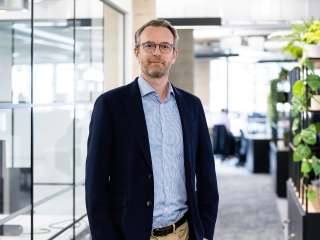
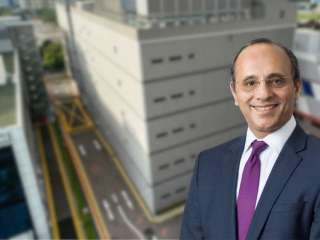
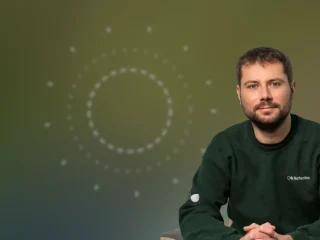
The initiative will be led by Santosh Janardhan and Daniel Gross.
Janardhan, Meta’s head of infrastructure, will continue to oversee technical architecture, the software stack, the silicon programme, developer productivity, and the buildout and operation of the company’s global data centre fleet and network.
Meanwhile, Gross will lead a new team focused on long-term capacity strategy, supplier partnerships, industry analysis, planning, and business modelling.
They will work closely with Dina Powell McCormick, who just joined Meta as president and vice chairman, to work on partnering with governments and sovereigns to build, deploy, invest in, and finance Meta’s infrastructure, Zuckerberg continued.
This development shows how central AI infrastructure has become to Meta’s strategy, as it moves to secure power and capacity at scale for its next wave of data centre expansion.
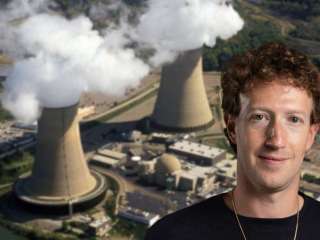
In recent weeks, the company disclosed three nuclear energy agreements in the US that, combined, could provide up to 6.6GW of power to the grid.
The deals followed an RFP process launched in December 2024 and were signed with small modular reactor developers TerraPower and Oklo, alongside nuclear plant operator Vistra.
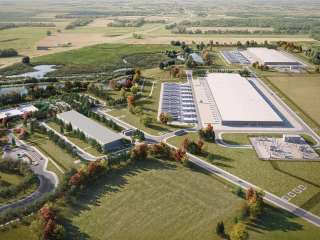
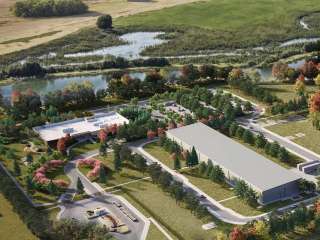
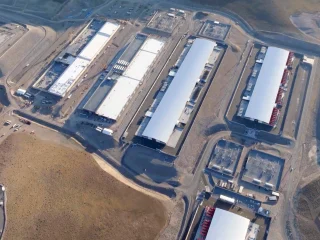
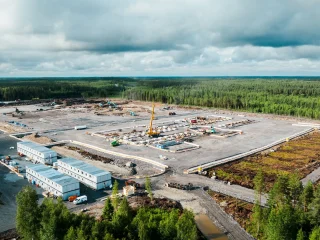
Meta is also expanding its physical footprint. In November, the company broke ground on a US$1 billion data centre in Beaver Dam, Wisconsin, which it said will be optimised for its growing AI workloads once operational.
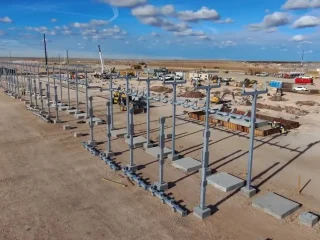
Meta has also committed to underwriting nearly US$200 million in energy infrastructure investments tied to the project, including network upgrades, utility substations, and transmission lines.


 Facebook
 Youtube
  TikTok
 Threads
 WhatsApp