SK Telecom (NYSE: SKM) plans to develop up to 15GW of AI data centre capacity in South Korea, as the country seeks to expand its domestic AI infrastructure and attract global compute demand.
The project is being reviewed alongside the Korean government’s “AI G3” strategy, which aims to make South Korea one of the world’s top three AI powers alongside the US and China. Key considerations include power supply, site selection, and operations.
The cost of developing large-scale AI computing infrastructure is rising sharply, driven by demand for high-performance systems and higher memory prices. According to the company, a typical 1GW-class AI data centre could require project costs of around KRW 70 trillion (US$45.8 billion).
Funding is expected to come from a mix of SK Telecom’s own investment, strategic partners, long-term customer contracts and project financing.
Earlier this month, the firm’s parent conglomerate SK Group reportedly plans to invest 2,100 trillion won, or about US$1.36 trillion, to strengthen the country’s AI infrastructure and semiconductor supply chain,
The plan comes as global data centre supply struggles to keep pace with demand. Citing McKinsey & Company, the firm said global data centre demand is forecast to grow by 19% to 22% annually, with the US alone facing an estimated shortfall of around 15GW by 2030.
Major technology companies are increasingly looking beyond the US for AI data centre capacity. SK Telecom is positioning South Korea as a potential destination, citing the country’s strengths in high-bandwidth memory, its nuclear and liquefied natural gas power base, and its experience operating gigawatt-scale infrastructure through the semiconductor industry.
The first phase will start with the AI data centre currently under construction in Ulsan. The company plans to develop more than 2GW of capacity across the southeastern Gyeongsang region, followed by an additional 1GW in the southwestern Jeolla region.
Together, the projects would bring SK Telecom’s planned domestic AI data centre capacity to 5GW, with openings expected to begin in stages from 2029.
The developments will be assessed based on site availability, power supply, and anchor-tenant demand, while also aligning with the government’s regional development and strategic supply plans.
SK Group’s broader role in the project will draw on capabilities across semiconductors, energy systems, and data centre development and operations. SK Telecom will lead the design, construction, and operation of the AI data centres.
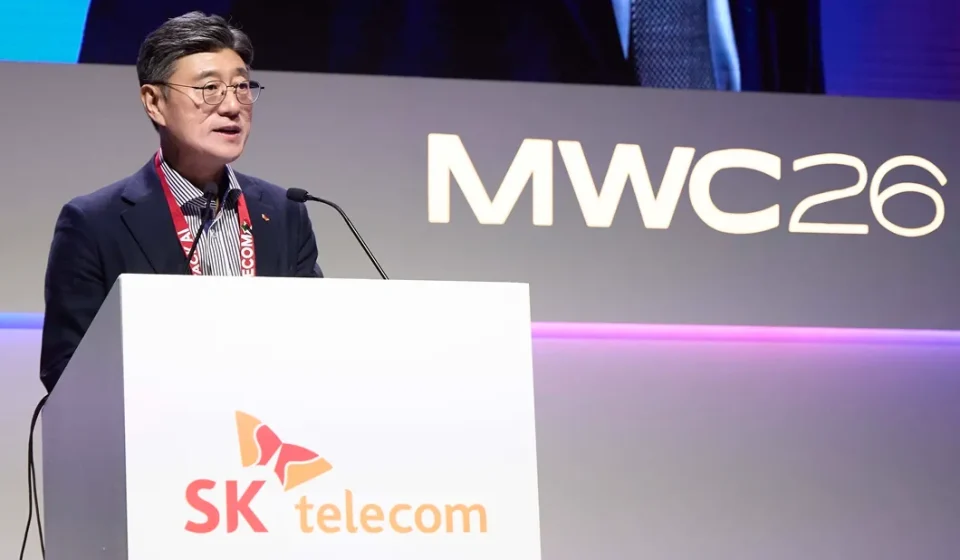
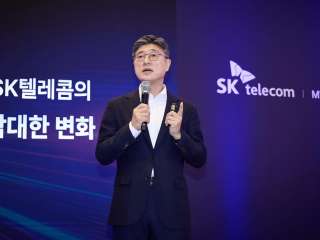
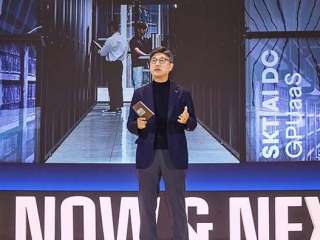
At the SK AI Summit 2025 in November, SK Telecom president and CEO Jung Jai-hun outlined the company’s AI infrastructure roadmap, including plans to expand the Ulsan AI data centre to more than 1GW over time.
It has also announced plans to operate an “AI Factory”, which it describes as a next-generation AI data centre. Operations are expected to begin in 2027, with plans to scale the facility to gigawatt capacity.
“This AI data center project is aimed at preemptively preparing the computing infrastructure that the global AI ecosystem needs,” said Jung. “We will work closely with the government, industry, and local communities to help Korea grow into Asia’s core AI infrastructure hub.”