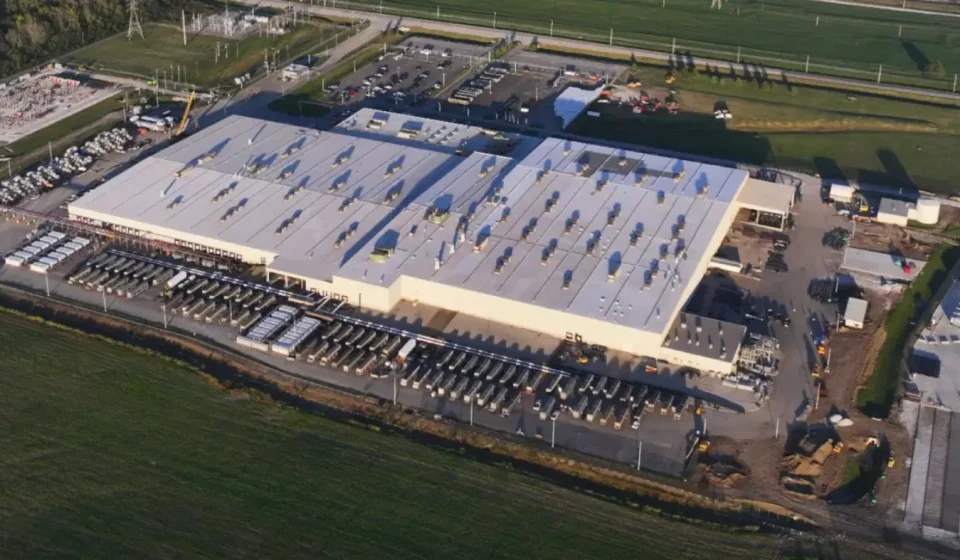
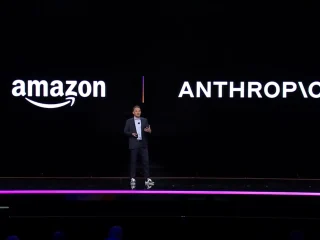
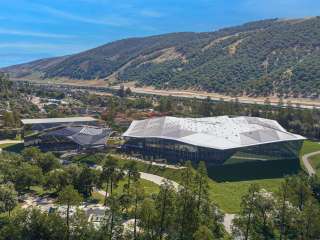
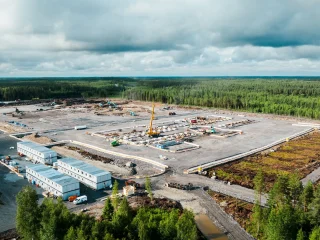
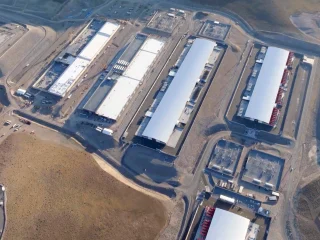
SpaceXAI, the combination of Elon Musk’s xAI and SpaceX businesses, has signed an agreement with Anthropic to provide access to its flagship data centre in Memphis, Tennessee.
Colossus 1 features over 220,000 NVIDIA GPUs, including what SpaceX AI describes as “dense deployments” of H100, H200, GB200 accelerators.
The site was built in just 122 days, but has come under fire due to the use of methane gas turbines, which it is alleged to have not had permits for.
Anthropic plans to use the additional compute it gains from the deal to directly improve capacity for Claude Pro and Claude Max subscribers. Simultaneously with the announcement of the deal, Claude said it would increase usage limits for its Claude Code and the Claude API products.
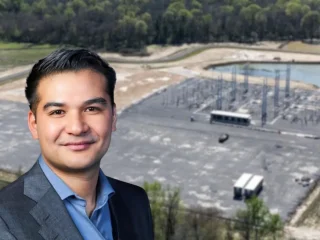
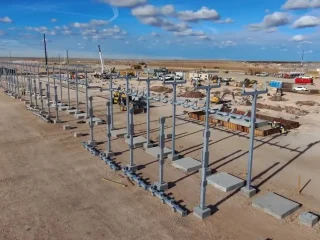
In a tweet explaining the deal, Musk claimed that SpaceXAI had already moved training to Colossus 2, a second data centre on the campus.
Usage of xAI’s chatbot, Grok, is estimated to have declined significantly since it came under fire for generating inappropriate images earlier this year. Earlier in 2026, Grok was estimated to have the second-highest daily active users, behind ChatGPT.
Another explanation of the deal is that xAI needs to patch up its financials after its merger with SpaceX and a potential IPO that is still rumoured to take place this year.
xAI is reportedly losing up to US$1 billion a month, reports from earlier this year suggested, but SpaceX was reported to have made a profit of US$8 billion on revenue of US$16 billion in 2025.
Leasing 220,000 GPUs to Anthropic at a data centre that is already live is going to be worth billions of dollars. This extra revenue could reduce the pressure on SpaceX’s profitable business to bankroll xAI’s cash burn.
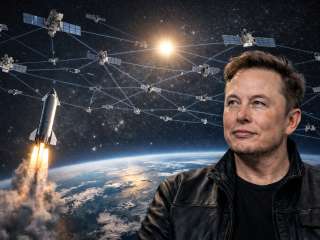
SpaceXAI also said Anthropic “expressed interest in partnering to develop multiple gigawatts of orbital AI compute capacity,” in a call back to the justification for the xAI, SpaceX merger in February.
Echoing the rationale for its plans to launch 1 million orbital data centres, the company said “the compute required to train and operate the next generation of these systems is outpacing what terrestrial power, land, and cooling can deliver on the timelines that matter.”
If that’s true, then why is SpaceXAI willingly reducing its terrestrial computing power to the tune of 220,000 GPUs?
Through this lens, the deal reads as the Musk conglomerate peeling back its immediate AI application focus and pivoting to becoming a terrestrial and celestial provider of AI infrastructure.
Further evidence of the pivot to providing infrastructure and the need to bulk up investor value for an IPO can be found through a recent tie-up between SpaceX AI and AI coding agent Cursor.
Last month, Cursor said it was partnering with SpaceX to accelerate its model training efforts.
“We’ve wanted to push our training efforts much further, but we’ve been bottlenecked by compute. With this partnership, our team will leverage xAI’s Colossus infrastructure to dramatically scale up the intelligence of our models.”
The deal also includes an option for Musk’s company to buy Cursor for US$60 billion later this year, in a move that would add one of the most commercially appealing product lines in AI applications to the sprawling firm.


 Facebook
 Youtube
  TikTok
 Threads
 WhatsApp