Nvidia (NASDAQ: NVDA) and Noetra Corp are planning a 140MW AI factory in Japan equipped with 13,750 Vera CPUs and 27,500 Rubin GPUs.
The facility will use Nvidia’s Vera Rubin NVL72 systems, DSX architecture, Spectrum-X Ethernet networking and BlueField data processing units. It is intended to support the training of multimodal foundation models for robotics, digital twins, AI agents and other physical AI applications.
The infrastructure will underpin Japan’s FRONTia Project, a Ministry of Economy, Trade and Industry initiative focused on developing multimodal foundation models for robotics and physical AI.
The project will combine industrial data and manufacturing expertise from Japanese companies with technology from Nvidia and other partners. Target sectors include manufacturing, logistics, healthcare and telecommunications.
Noetra plans to make the pretrained weights of its multimodal foundation models available to domestic developers and companies, alongside Nvidia software and open models including Nemotron, Cosmos, Isaac GR00T and NeMo.
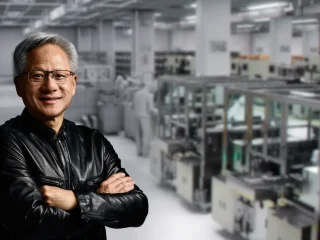
“Japan invented modern manufacturing. Now, it is building the AI factories that will power the next industrial revolution,” said Jensen Huang, founder and CEO of Nvidia.
Huang added that Nvidia would work with Japan and its industrial companies to develop AI infrastructure across the country.
Nvidia said its DSX platform provides a reference design for AI factories, intended to help infrastructure developers bring capacity online faster, increase compute output per megawatt and improve operational reliability.
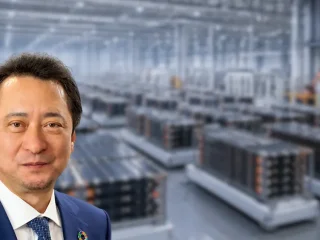
Noetra CEO Hironobu Tamba said deploying physical AI would require substantial computing capacity, data and collaboration across multiple companies.
The Japanese AI company, backed by Sony, SoftBank, NEC, Honda, and other domestic investors, plans to work with partners in Japan and overseas to develop multimodal foundation models for robotics and industrial applications.
Noetra has attracted investment from 44 companies and organisations, including sovereign AI developers and businesses across manufacturing and other sectors.
Japan’s AI Robotics Strategy, released in March, aims to secure more than 30% of the global AI robotics market by 2040, representing an estimated US$133 billion opportunity.
As part of the strategy, METI is supporting the development of multimodal foundation models for robotics and physical AI.
The AI factory is expected to support the training of models with up to one trillion parameters as it expands, providing organisations in Japan with access to large-scale computing infrastructure for manufacturing and robotics applications.
Japan’s Minister of Economy, Trade and Industry, Ryosei Akazawa, said the FRONTia Project would form part of the country’s physical AI strategy. He added that Japan will work with Nvidia and other technology companies to develop multimodal foundation models using the country’s manufacturing infrastructure and industrial expertise.


 Facebook
 Youtube
  TikTok
 Threads
 WhatsApp